By Tania Eulalia Martínez-Cruz, Independent Researcher Ëyuujk
World Water Day 2026, under the theme “Water and Gender,” and 2026 World Water Report, titled Water for All: Rights and Equal Opportunities underscores that when people lack the human right to safe drinking water and sanitation, inequalities deepen, disproportionately affecting women and girls. While this focus is important, it remains insufficient for Indigenous Peoples if it is not accompanied by a fundamental shift in who holds decision-making power over water.
This year is a decisive moment for the global water agenda. Key milestones, including preparatory discussions held in Dakar and the upcoming UN Water Conference in December, are shaping global priorities on water governance, investment, and cooperation. Yet there are growing concerns about the direction of these processes. Indigenous Peoples and civil society have warned that current approaches risk prioritizing corporate and financial interests over human rights, while participation mechanisms for Indigenous Peoples remain limited and inadequate.
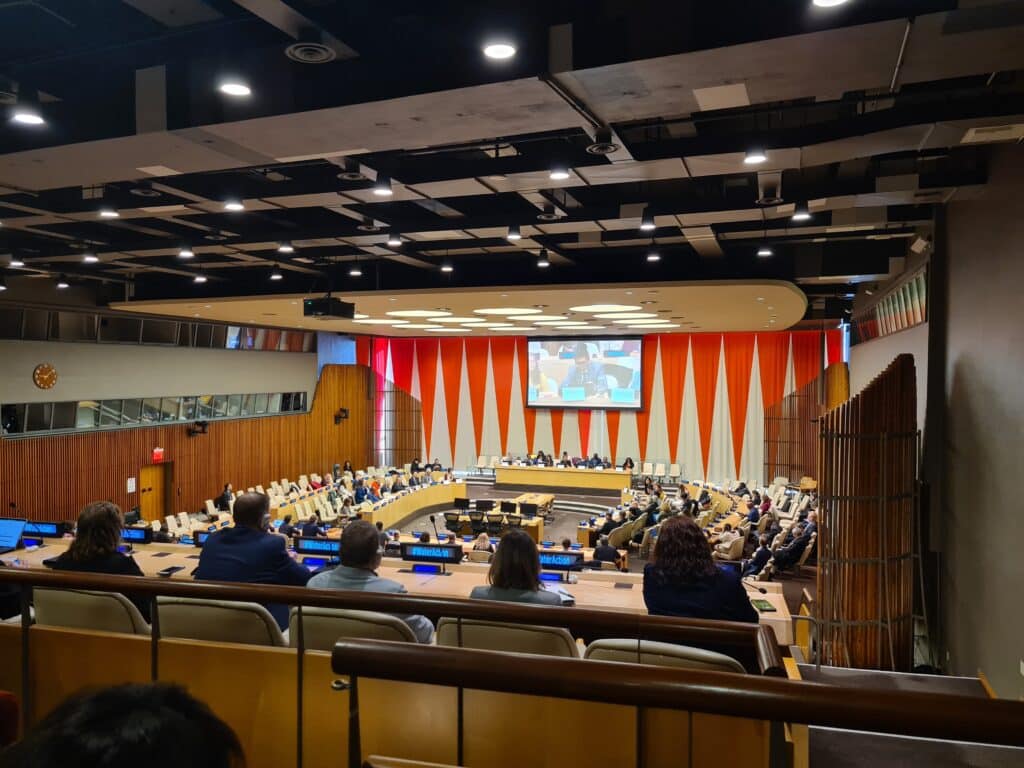
This concern is not new. It reflects a longstanding pattern of exclusion across global water governance spaces. Indigenous Peoples continue to be marginalized from decisions that directly affect their territories, despite their critical role in sustaining the planet’s ecosystems. Although they represent only around 6% of the global population, Indigenous Peoples manage a significant share of the world’s biodiversity and manage vast areas of land, including some of the most ecologically intact regions. Evidence consistently shows that these territories have higher biodiversity and lower rates of environmental degradation.
This is not a coincidence, it is the result of deeply rooted knowledge systems and governance practices developed over generations. For Indigenous Peoples, water is not merely a resource; it is a living entity and a common good, central to cultural, spiritual, and physical survival. Across diverse regions, from the Amazon to the Arctic, Indigenous worldviews emphasize a relationship of reciprocity and responsibility with water and the broader environment.
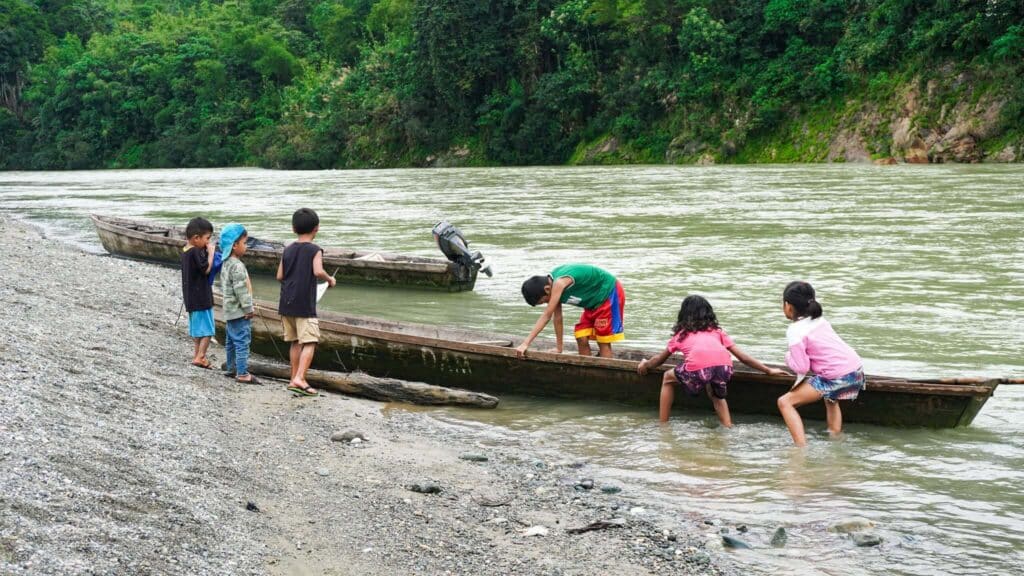
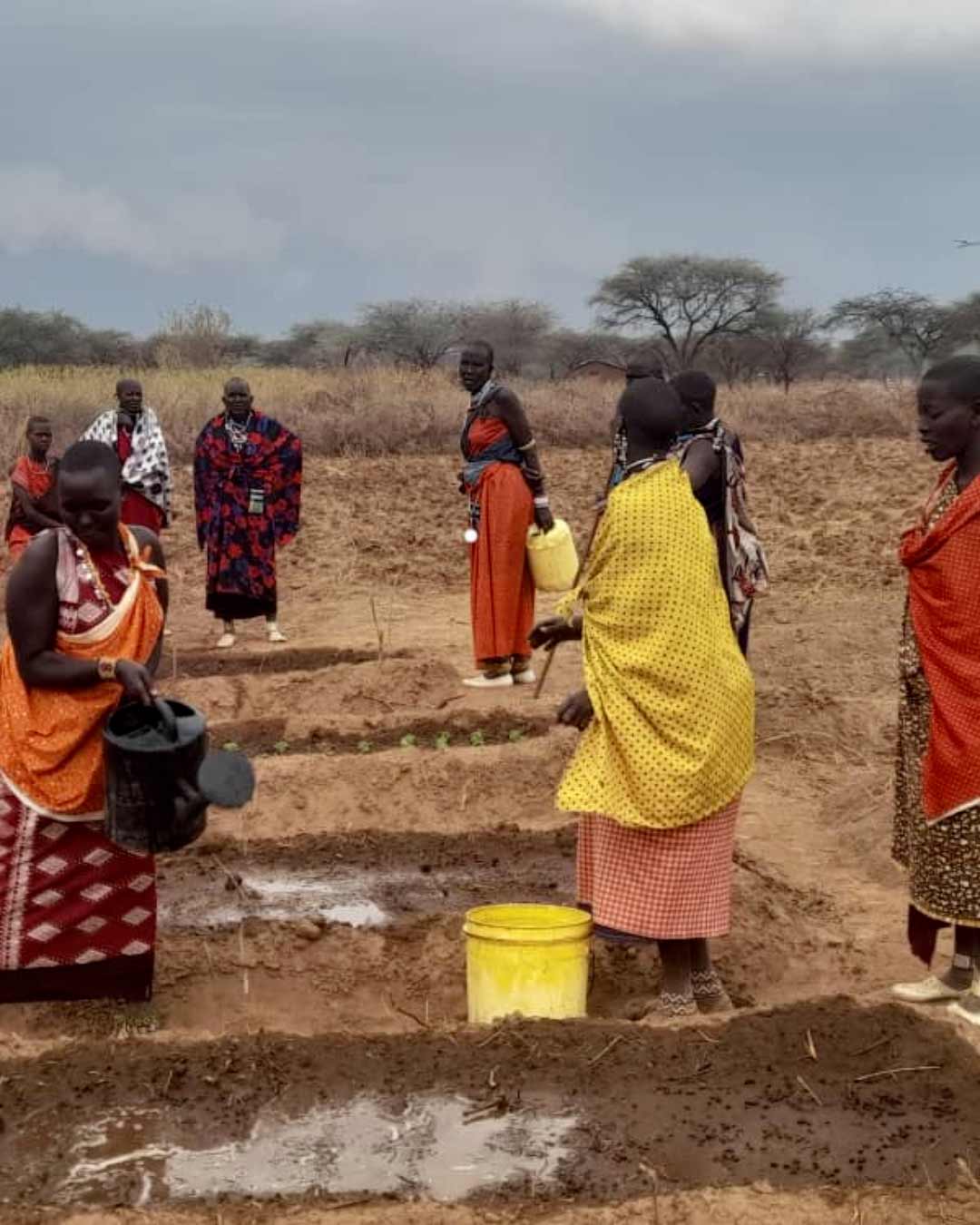
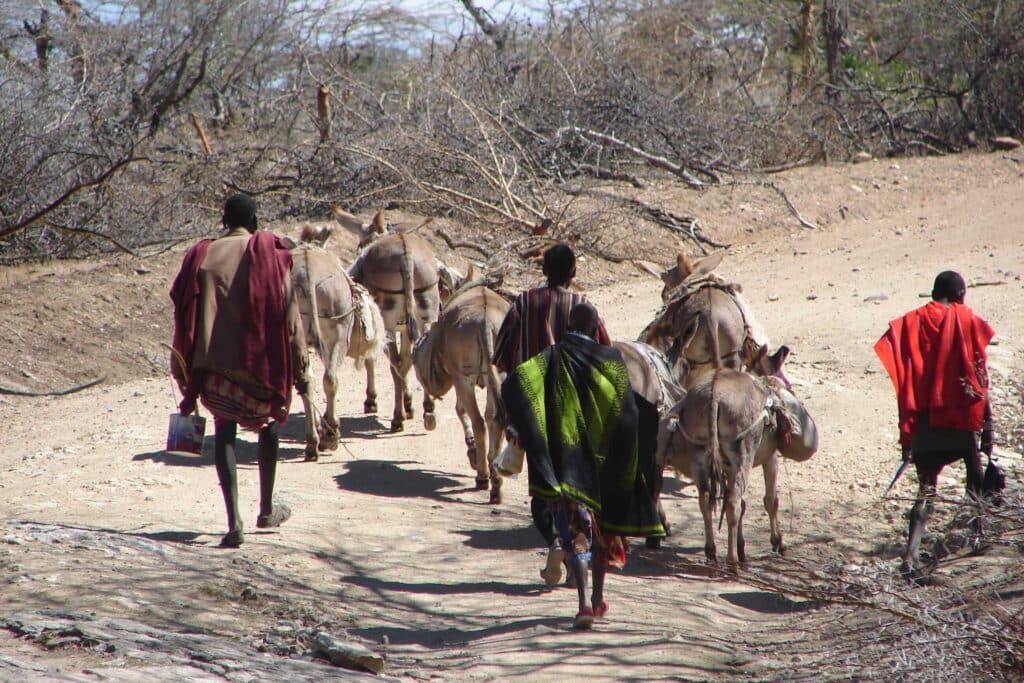
For the Zenú people in northern Colombia, the origin of the world and time begins with water. For Ëyuujk communities in Oaxaca, springs are sacred sites where authorities ritually wash their staff of office when assuming and leaving leadership, making water the link between political governance and spiritual life. For the Awajún people in the Peruvian Amazon, rivers are a home defended with life itself. For the Sámi peoples in the Arctic, the quality of snow determines reindeer migration and, with it, the course of community life. For the Maasai in Kenya’s savannas, seasonal water flows shape pastoral cycles, food systems, and culture throughout the year.
Yet these systems are increasingly under threat. Large-scale extractive industries, hydropower projects, and agribusiness expansion continue to drive water contamination, ecosystem destruction, and the displacement of Indigenous Peoples’ communities, often without Free, Prior and Informed Consent.
At the same time, the global push for a “green” energy transition is intensifying demand for critical minerals. Decarbonizing the global economy requires minerals such as lithium, cobalt, manganese, graphite, and copper. Research published in Nature Sustainability shows that more than half of global energy transition mineral projects are located on or near Indigenous Peoples’ and rural communities’ lands; in Latin America and the Caribbean, this rises to 73%. Moreover, 62% of these projects are in areas facing high water risk.
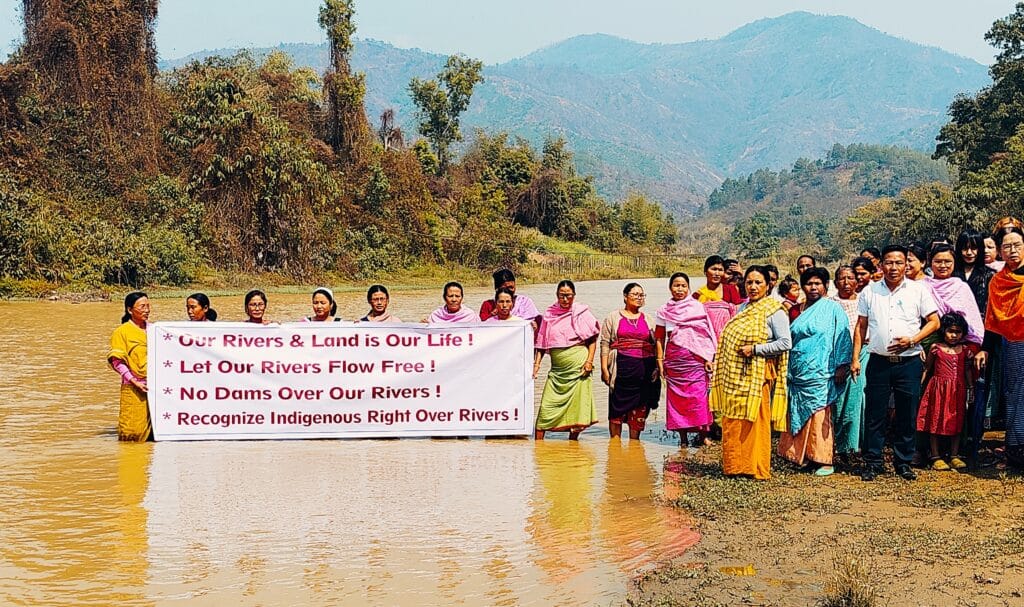
Water insecurity is frequently framed as a technical challenge requiring expert solutions. However, this technocratic approach avoids naming the structural causes of the problem, and those responsible for them. Unequal power relations, extractivist models, and the systematic marginalization of Indigenous governance systems. The issue is not simply about infrastructure or management; it is about rights, justice, and who gets to decide.
Indigenous women are at the center of this crisis. As traditional custodians of water in many communities, they hold critical knowledge about ecosystems and resource management. Yet they face disproportionate burdens when water becomes scarce or contaminated and are often excluded from decision-making processes. Addressing gender and water, therefore, requires more than recognition, it demands concrete mechanisms to ensure their leadership and participation.
Despite these challenges, Indigenous Peoples continue to defend water through community-based governance systems, including collective decision-making, biocultural knowledge, and sustainable management practices. However, these systems are often overlooked or undermined by state policies, and the right to Free, Prior and Informed Consent is too often reduced to a procedural formality rather than a substantive right.
The risks are high, and the stakes are global. The biodiversity and ecosystems that Indigenous Peoples protect are essential for regulating the planet’s water cycles and ensuring long-term water security. There can be no meaningful response to the global water crisis without recognizing and supporting the rights and leadership of those who sustain these systems.
Ultimately, addressing water justice requires a shift in perspective: from viewing Indigenous Peoples as stakeholders to recognizing them as rights-holders and decision-makers. It requires moving beyond rhetoric toward enforceable rights, genuine participation, and long-term support for Indigenous governance systems.
Without Indigenous Peoples at the center, global efforts on water, climate, and biodiversity will continue to fall short. With them, there is a pathway toward more just, sustainable, and resilient futures.