By Luisa Castañeda-Quintana, Executive Director, Land is Life
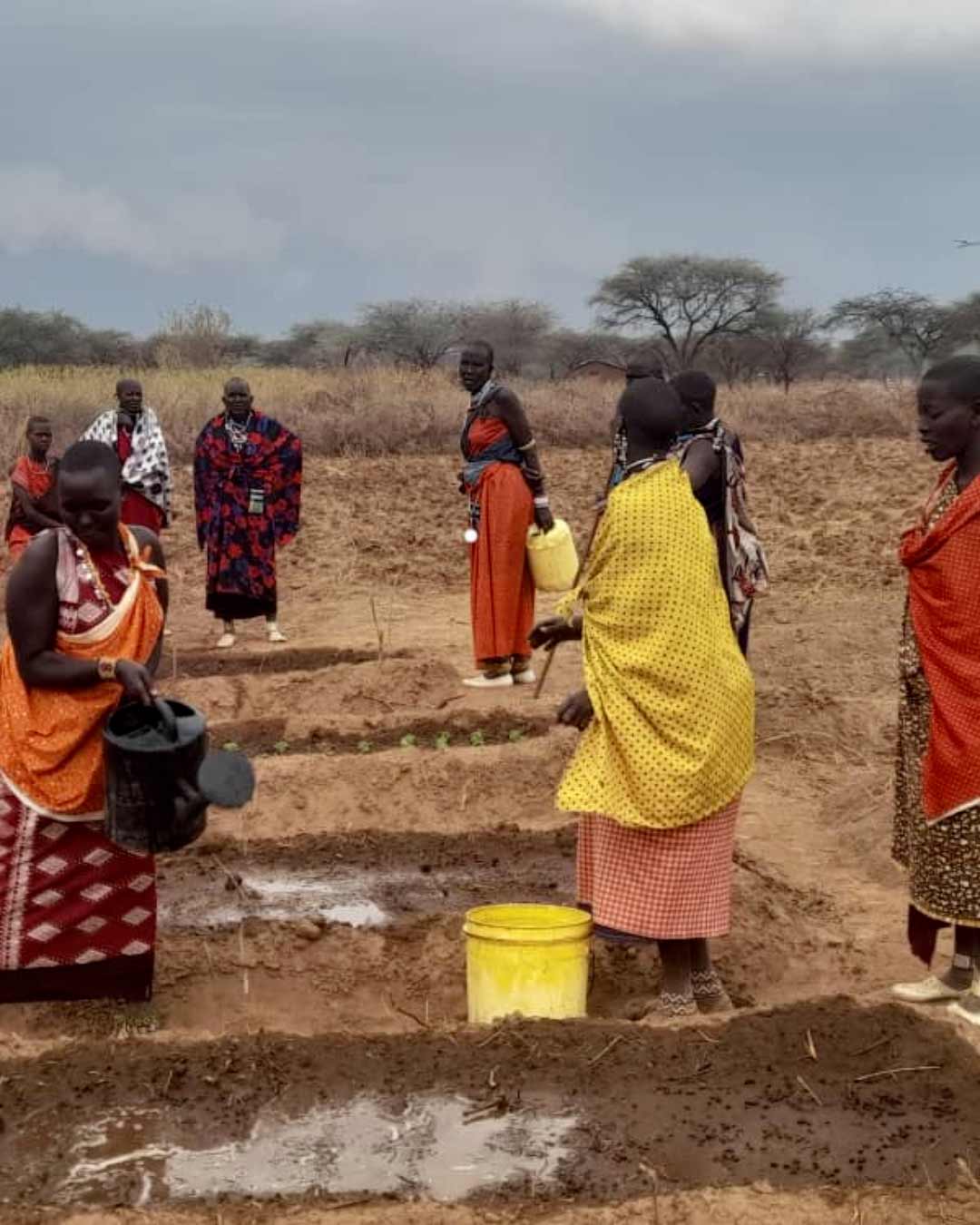
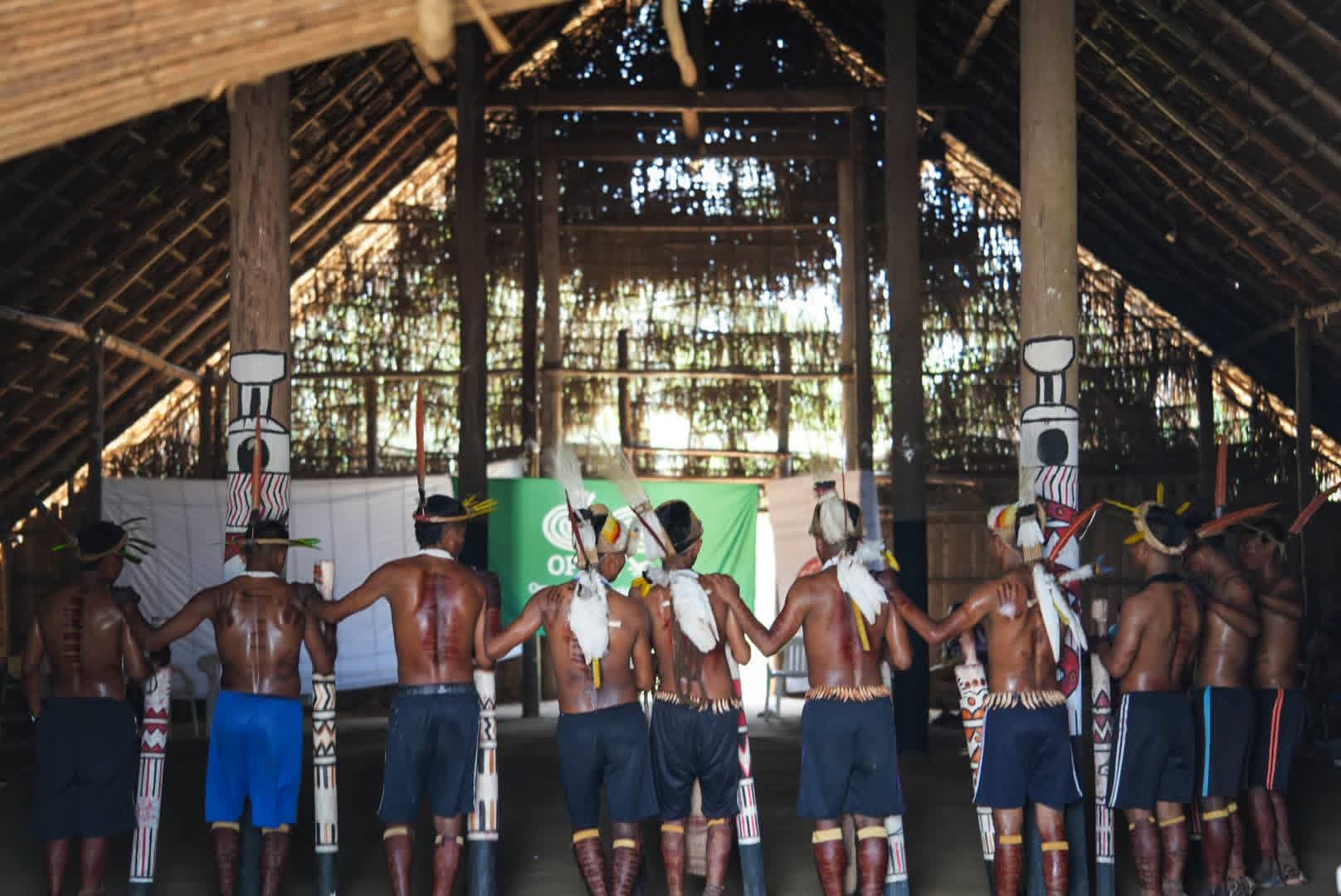
Across forests, deserts, savannas, rivers, and international negotiation rooms, I have witnessed the same truth repeated in different forms: Indigenous Peoples are already building the solutions the world keeps searching for.
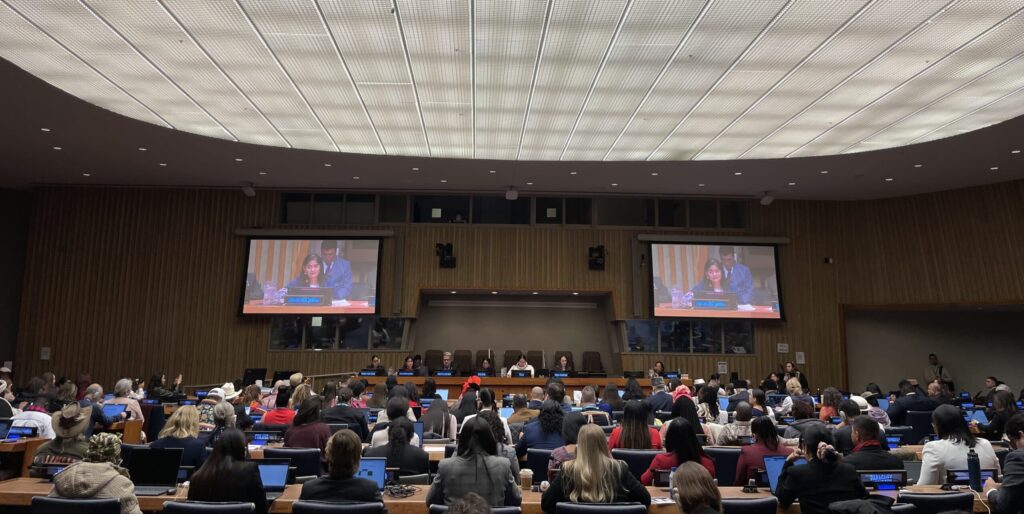
I have listened to Indigenous women defenders, like Alicia Cahuiya, as they described the constant threats against them and their territories, and the strength they draw from their peoples and families to continue resisting. I have heard Indigenous youth speak about the lack of opportunities forcing many to leave their communities, but also sharing the futures they are determined to create at home. I have witnessed leaders and entire communities mobilizing overnight to protect their lives from imminent threats. And I have stood in UN halls celebrating hard-won victories for Indigenous Peoples’ rights alongside those who fought tirelessly for them. Again and again, these moments prove what is undeniable: Indigenous Peoples are not waiting to be included in solutions. They are already leading them. Yet the systems surrounding them continue to lag behind.
Despite significant recognition of Indigenous Peoples’ rights on paper, today we see that many remain unenforceable and some are just overlooked and replaced by a new “so-called” moral authority, excluding Indigenous Peoples from the decisions that impact their lands and futures. Conservation efforts advance, sometimes without consent. Indigenous defenders continue to face violence and assassinations. Climate pledges expand while direct funding for Indigenous Peoples remains minimal. Philanthropy is shading away, shrinking, and what remains is often concentrated on certain ecosystems, leaving behind equally vital territories such as savannas, deserts, and the Andes.
It is within this context that we at Land is Life began asking difficult but necessary questions. What is the role of Land is Life amidst the geopolitical context, where uncertainty impedes clarity, rights are diminished, and philanthropy is shifting away? How can we continue walking hand in hand with Indigenous Peoples to cope with the scale of the challenges? In 2025, we embarked in this endeavour to reflect on these questions together as a coalition. The result is our 2026–2029 Strategic Plan.
This Strategic Plan emerged through an open and collaborative process involving 107 coalition members representing 86 Indigenous Peoples across 27 countries. It reflects lived realities, shared analysis, and a collective vision for what must change. What we heard was clear: today’s reality calls for joining more efforts, striving for collective actions and more solidarity. It calls for transformation.
This is why our new strategy marks a deliberate shift, from responsive programming to systemic transformation and positioning Indigenous-led solutions as central to climate resilience, conservation, and development.
We are grounding our work in four interconnected priorities: protecting territories, ensuring the security of Indigenous defenders, strengthening governance (especially for Indigenous women and youth), and increasing influence over climate finance and resource decisions. But more importantly, we are changing how these priorities come together.
Our strategy is built around three interconnected pillars: i) Territorial Defense and Crisis Response; ii) Governance and Leadership Support; and iii) Advocacy and Policy Influence. Together, these pillars function as a reinforcing system where each amplifies the others, moving power away from cycles of emergency response and toward Indigenous-controlled governance,enforceable rights and independent resources.
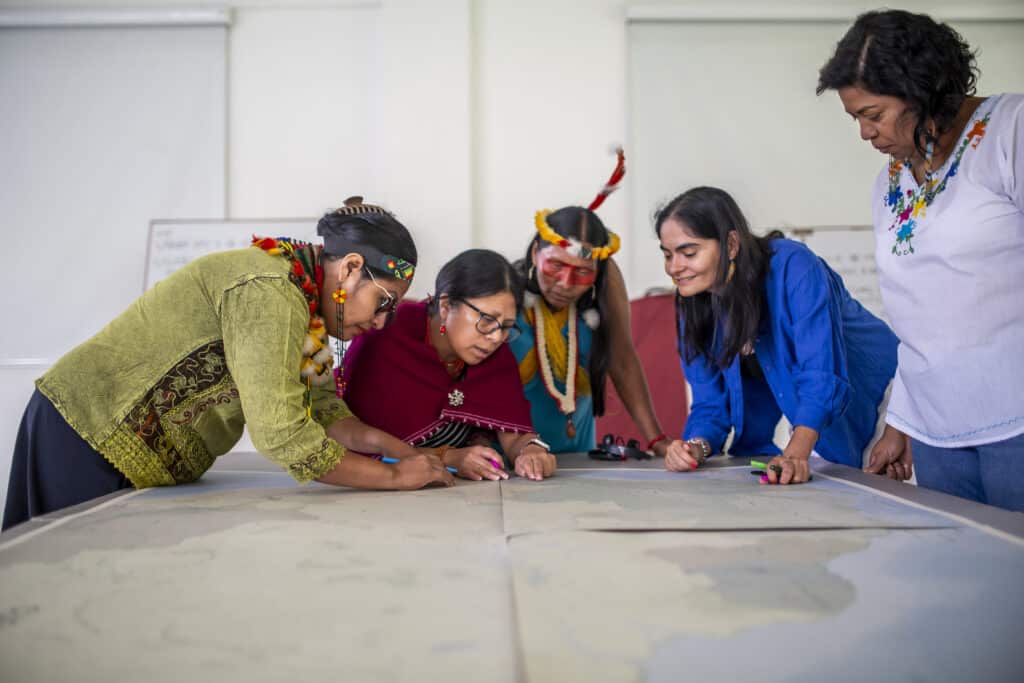
When communities defend their territories, they generate knowledge, legitimacy, and urgency that must shape policy. When Indigenous Peoples’ governance is strong, communities are better positioned to sustain their territories and negotiate their futures. When policies and financial flows shift, they can strengthen, not bypass, Indigenous Peoples’ institutions. This is how change becomes systemic.
At the heart of this strategy are two goals:
First, to strengthen Collective Action & Strategic Advocacy, enabling Indigenous Peoples to act together, share lessons, and amplify influence for greater policy impact.
Second, to enhance Strategic Positioning, ensuring Indigenous Peoples are recognized as decision-makers and rights holders, shaping local, regional, and global agendas while reducing dependency on external allies
This is not a rhetorical shift. It is a practical one.
Land is Life occupies a distinctive position within the Indigenous Peoples’ movement, bridging urgent territorial protection and long-term systemic change. We connect grassroots territorial defense and leadership strengthening with high-level advocacy. Through our partnerships, experience and vision, we are ready to expand Indigenous-led solutions and deepen their global impact.
This position comes with responsibility and with opportunity. As we look toward the years ahead, this strategy is not only a roadmap for our coalition. It is an invitation:
To funders: move beyond short-term, project-based support. Invest in Indigenous Peoples’ institutions, leadership, and long-term visions.
To policymakers: align commitments with action. Ensure that Indigenous Peoples have direct access to decision-making spaces and the resources that shape their futures.
To allies: stand in solidarity in ways that strengthen, not substitute, Indigenous Peoples’ leadership.
What is positive is that the path forward is not uncertain. It is already being walked. Indigenous Peoples are not only on the frontlines of today’s crises. They are leading the way.