Indigenous Peoples and Water: Traditional Knowledge, Rights, Partnerships and Cooperation to Accelerate SDG 6
UN Water Conference
Indigenous Peoples are water leaders
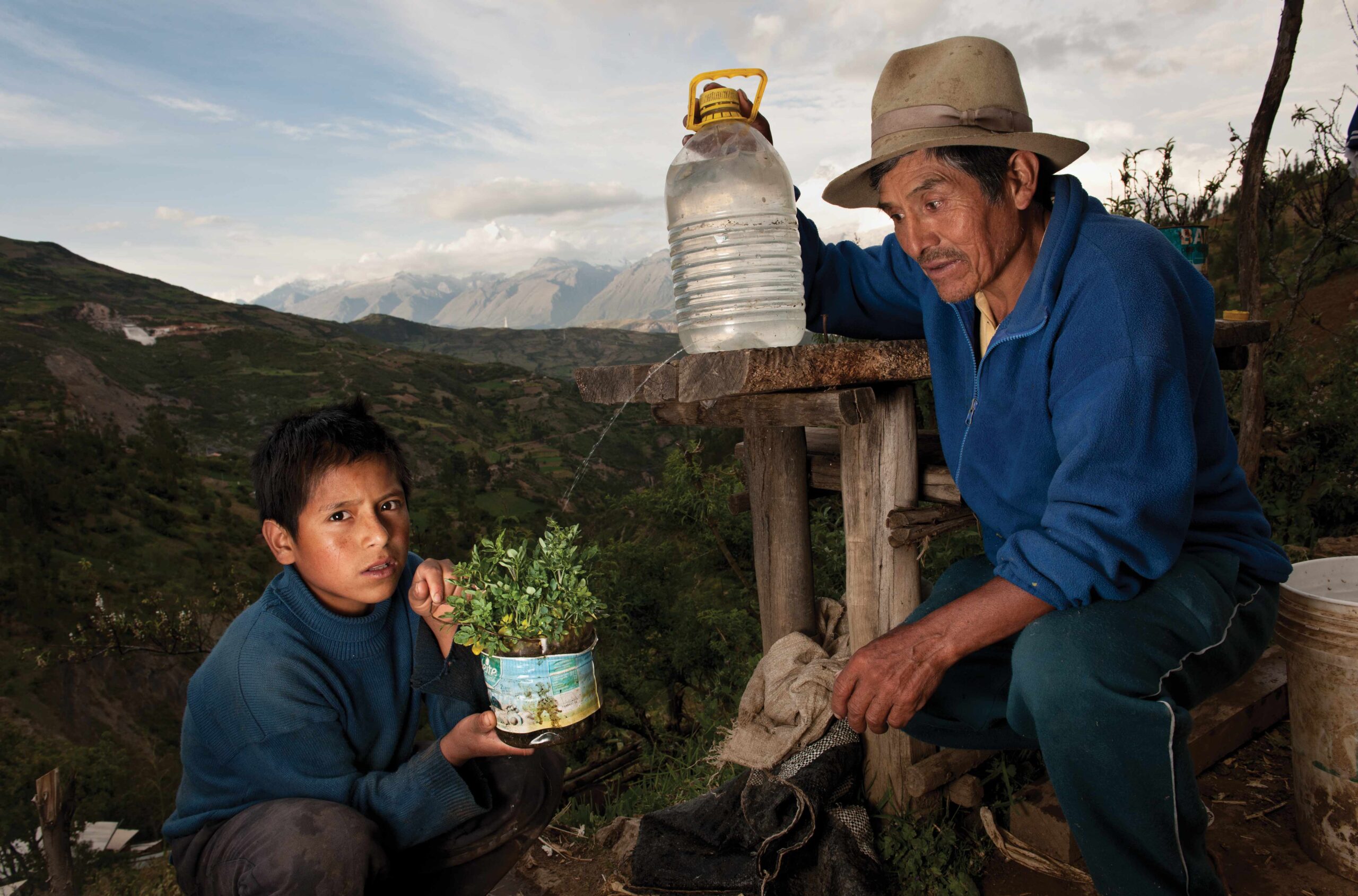
Indigenous Peoples have long protected and governed waters through knowledges, laws, relationships and practices passed down across generations. Yet their rights, governance systems and contributions remain insufficiently recognized in water decision-making.
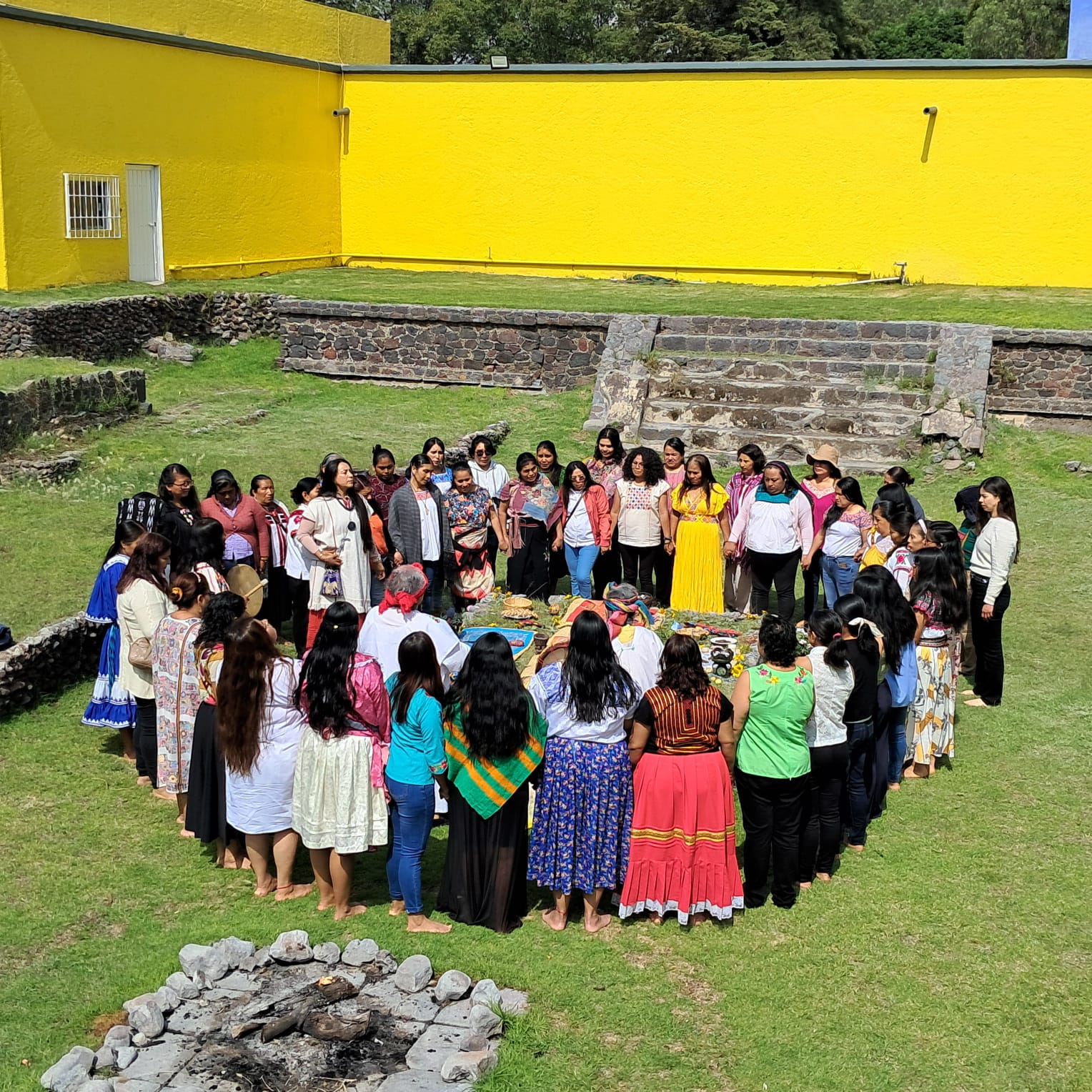
This side event brings together Indigenous representatives from all seven socio-cultural regions, Member State representatives from Australia, Canada and Germany, the UN Permanent Forum on Indigenous Issues (UNPFII) and UNESCO to explore how Indigenous Peoples’ rights, knowledge systems and leadership can strengthen cooperation and accelerate progress on SDG 6: Clean Water and Sanitation.
Through presentations and a moderated dialogue, speakers will share Indigenous-led approaches to water scarcity, pollution and climate impacts, highlighting the importance of Free, Prior and Informed Consent (FPIC) and meaningful participation in water governance.
The discussion will also identify concrete opportunities for Indigenous-led and co-designed partnerships across local, national, regional and international levels, building on existing commitments under the Water Action Agenda.
Why it matters
Water cooperation must include the Peoples who have safeguarded waters and territories for generations. Recognizing Indigenous Peoples’ governance, rights and knowledge can help strengthen inclusive water governance, knowledge exchange, capacity building and practical solutions for achieving SDG 6.
Join us to explore how cooperation can move from recognition to action—and how Indigenous leadership can help shape a more sustainable and equitable future for water.